
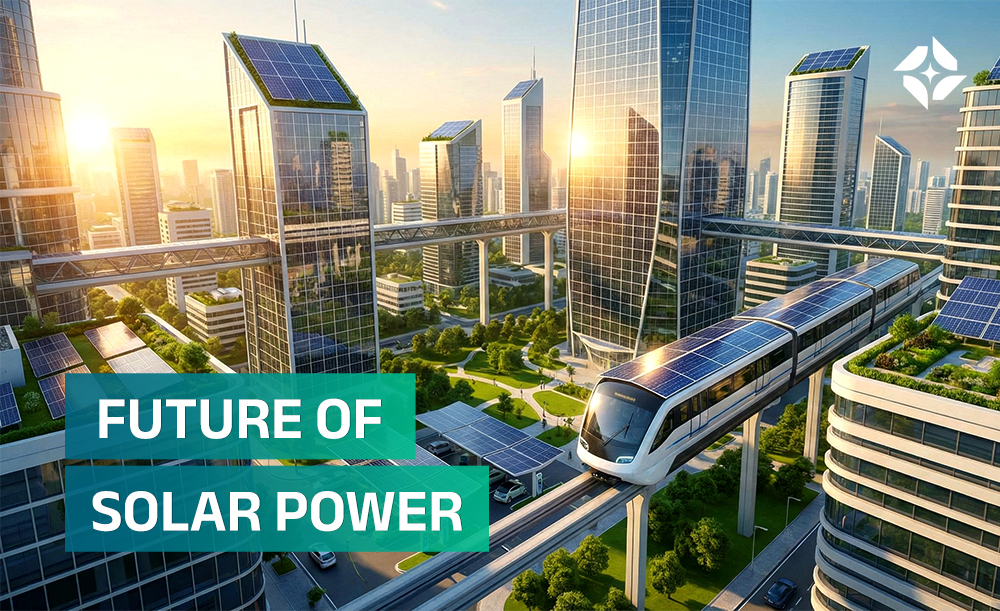
The future of solar power in India looks brighter than ever. With abundant sunlight, rising electricity demand, and growing awareness about clean energy, India is rapidly shifting toward solar energy solutions. Today, homes, schools, factories, and commercial buildings are installing rooftop solar systems and large solar plants to reduce electricity bills and lower pollution. Solar power is no longer just an alternative; it is becoming a mainstream and cost-effective source of electricity.
Companies like Raynex Power Solution are supporting this transition by designing and installing customized solar power systems for industries, commercial spaces, and institutions across India.
In this article, we explore why solar matters, how India’s solar sector has grown, and what opportunities will shape the future of solar energy in the country.
Why Solar Power Matters for India
India’s energy demand is increasing every year due to rapid urbanization,
industrial growth, and expanding infrastructure. Traditional energy sources like coal and diesel:
- Cause pollution
- Increase fuel costs
- Depend on imports
- Harm the environment
Solar energy provides a cleaner, smarter solution.
Key Benefits of Solar Power
✔ Clean Energy
Solar power produces electricity without smoke, noise, or harmful emissions.
✔ Renewable & Unlimited
The sun provides energy every day. Unlike coal or oil, it will never run out.
✔ Ideal for India’s Climate
Most regions in India receive 300+ sunny days per year, making solar highly
efficient and reliable.
✔ Lower Electricity Bills
Solar systems significantly reduce monthly power costs for homes and
businesses.
✔ Energy Independence
Less dependence on imported fuels improves India’s energy security.
India’s Solar Growth So Far
India’s solar journey over the last decade has been impressive.
Solar Growth Highlights
- Before 2014: Less than 3 GW of solar capacity
- Today: 70+ GW of installed solar power connected to the grid
- India ranks among the Top 5 solar power producing countries
globally - Target of 500 GW renewable energy capacity by 2030, with solar
playing the largest role - In many regions, solar electricity is cheaper than coal power
This rapid growth clearly shows that solar is becoming the future of electricity
in India.
Key Drivers Shaping the Future of Solar Power in India
Several important factors are accelerating the adoption of solar installations
across residential, commercial, and industrial sectors.
1. Strong Government Support
Government policies and incentives are making solar more affordable and
accessible. Support includes:
- Rooftop solar subsidies
- Net metering benefits
- Faster approvals
- Solar park development
- Renewable energy targets
- These initiatives reduce investment costs and encourage more people to switch
to solar.
2. Falling Solar Panel Costs
Over the last few years, the price of solar panels, inverters, and batteries
has dropped significantly. This has made:
- Residential solar systems affordable
- Commercial solar projects financially attractive
- Industrial solar plants highly profitable
Lower prices mean faster ROI and higher savings.
3. Growing Demand for Clean & Sustainable Energy
Businesses are now focusing on sustainability and ESG goals.
Many companies are choosing solar to:
- Reduce carbon footprint
- Cut electricity expenses
- Meet green compliance standards
- Improve brand image
As sustainability becomes mandatory, solar adoption will grow even faster.
4. Better Technology & Energy Storage
Modern solar technology is more efficient and reliable than ever. Advancements include:
- High-efficiency Mono PERC & bifacial panels
- Smart inverters
- Real-time monitoring systems
- Battery energy storage solutions
With solar + battery systems, electricity can be stored and used at night or during power cuts. This makes solar dependable 24/7.

Opportunities Defining the Future of Solar Power in India
The next decade will open many exciting opportunities in the solar industry.
1. Domestic Solar Manufacturing
India is building more solar panel and component factories. Benefits include:
- Reduced imports
- Lower costs
- Job creation
- Stronger supply chains
This will make solar even more affordable nationwide.
2. Green Hydrogen Production
Solar energy can be used to produce green hydrogen, a clean fuel for heavy industries and transport. Green hydrogen can power:
- Factories
- Trucks
- Ships
- Industrial equipment
This could transform India’s entire energy ecosystem.
3. Commercial & Industrial Solar Expansion
Factories, warehouses, malls, and offices consume large amounts of electricity. Switching to solar helps them:
- Save lakhs of rupees annually
- Reduce diesel generator usage
- Achieve sustainability targets
This segment will drive the largest solar capacity growth in the coming years.
4. Solar + Battery Storage
Energy storage is the future. Batteries allow:
- Nighttime usage
- Backup during outages
- Grid stability
- Higher self-consumption
As battery costs fall, more customers will adopt hybrid solar systems.
5. Solar for Farmers & Rural Areas
Solar is transforming rural India. Applications include:
- Solar water pumps
- Irrigation systems
- Mini-grids
- Village electrification
This reduces diesel use and improves farmer income.
What This Means for Homes & Businesses
For property owners and businesses, the message is simple:
Solar is no longer optional; it’s a smart financial decision. Benefits include:
✔ Lower electricity bills
✔ 3–5 year payback period
✔ 25+ years of savings
✔ Increased property value
✔ Clean and sustainable energy
The earlier you switch, the more you save.
Conclusion
The future of solar power in India is set to transform the country’s energy landscape. With strong government support, falling costs, better technology, and rising sustainability goals, solar energy will continue to expand across residential, commercial, and industrial sectors. For businesses and institutions looking for cost-effective and clean power solutions, now is the perfect time to invest in solar.
If you’re planning a rooftop or industrial solar project, working with an experienced EPC partner like Raynex Power Solution ensures proper design, quality installation, and maximum long-term returns. Solar isn’t just the future; it’s already here.
FAQs for Future Of Solar Power
1. What is the future of solar power in India?
The future of solar power in India is promising, driven by government policies, falling technology costs, corporate sustainability goals, and expanding solar manufacturing. India aims to significantly increase solar capacity to meet growing energy demand and reduce carbon emissions.
2. Why is solar power important for India’s future energy needs?
Solar power ensures energy security, reduces dependence on fossil fuel imports, supports climate goals, and provides cost-effective electricity for residential, industrial, and commercial sectors.
3. How is the government supporting the future of solar power in India?
The Indian government supports solar growth through initiatives like PM-KUSUM, Solar Park Scheme, PLI for solar manufacturing, green open access rules, and incentives to boost rooftop solar adoption.
4. How will energy storage impact the future of solar power in India?
Battery storage and hybrid renewable technologies will enable 24/7 solar power availability, improve grid stability, support electric vehicle infrastructure, and accelerate decentralized clean energy systems.
5. How much solar capacity is India targeting in the coming years?
India has set ambitious targets to expand its non-fossil capacity to 500 GW by 2030, with solar expected to make up a significant portion of the total.